Where to Place NFC Stickers in Your Shop
Placement decides usage more than anything else. Here are the positions that work in restaurants, clinics and shops — and the ones that waste a tag.
Business Basic plan · 46 SAR a month, billed yearly
The best position for an NFC sticker is wherever the customer is close, empty-handed and waiting: the café table before the order arrives, the till counter during payment, the waiting-room chair at a clinic. Those three cover most of the available benefit in most businesses. The positions that waste a tag are the ones customers pass while moving or occupied: the front door, walkways, high shelves. The governing rule is that a sticker stops nobody — it serves people who have already stopped, and your job is to place it where that stop happens naturally.
The core rule: follow the waiting
Before thinking about surfaces or sizes, trace the customer's journey through your premises and mark where they stop, even for a minute.
Waiting is the opportunity. A customer waiting for an order, a turn or a bill is naturally looking for something to do with their phone. A sticker placed in that moment finds a willing user; one placed in a moment of movement finds nobody.
That rule alone eliminates half the positions shop owners instinctively favour. The front door is visually prominent, but customers there are either hurrying in or leaving — and neither takes out a phone.
Restaurants and cafés
The table is the leading position by some distance. The customer is seated, waiting is part of the experience, and the sticker is within immediate reach. The natural destination is the menu with prices and photographs.
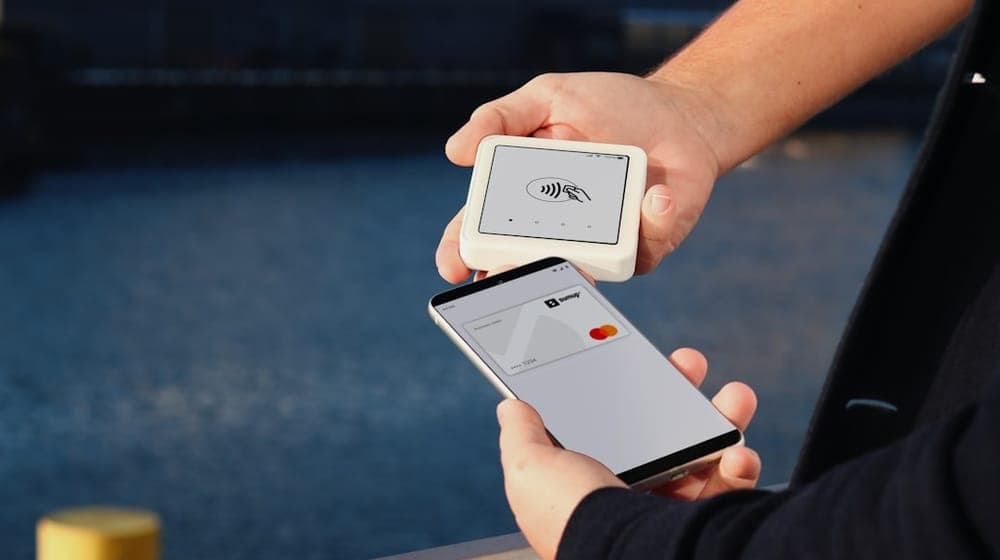
The order counter in cafés where people order standing. The wait is short but real, and the right destination might be the menu or a loyalty scheme.
Near the exit or on the bill for a review page — the best possible moment to ask, immediately after the experience ends and before it fades.
Avoid placing one on a napkin holder that moves between tables: you lose the ability to know what works, and the sticker itself tends to disappear.
Clinics and medical centres
The reception desk during registration, with instructions or advance form-filling as the destination.
The waiting room, which contains the longest wait in almost any business. A sticker on a side table or a small stand near the chairs finds an audience that is already waiting. Suitable destinations: booking the next appointment, or information about specialisms.
The consulting room after the appointment, for a review or follow-up page.
Note one important difference in clinics: many patients are elderly, or are anxious companions, and both groups are less inclined to try something unfamiliar. The wording on the sticker and a verbal prompt from staff matter more here than anywhere else.
Salons and beauty centres
Waiting in this sector is long by nature, sometimes extending to an hour or more during the service itself.
The waiting chair is an excellent position, and the mirror in front of the styling chair is better still — the client sits facing it for a long time, and the sticker sits exactly at eye level.
The best destination is the service list with prices, or booking the next appointment before leaving. Booking the next visit during the current one is far easier than chasing the client afterwards.
At the payment point for reviews or offers.
Retail shops
This sector is harder than the others because customers are moving most of the time.
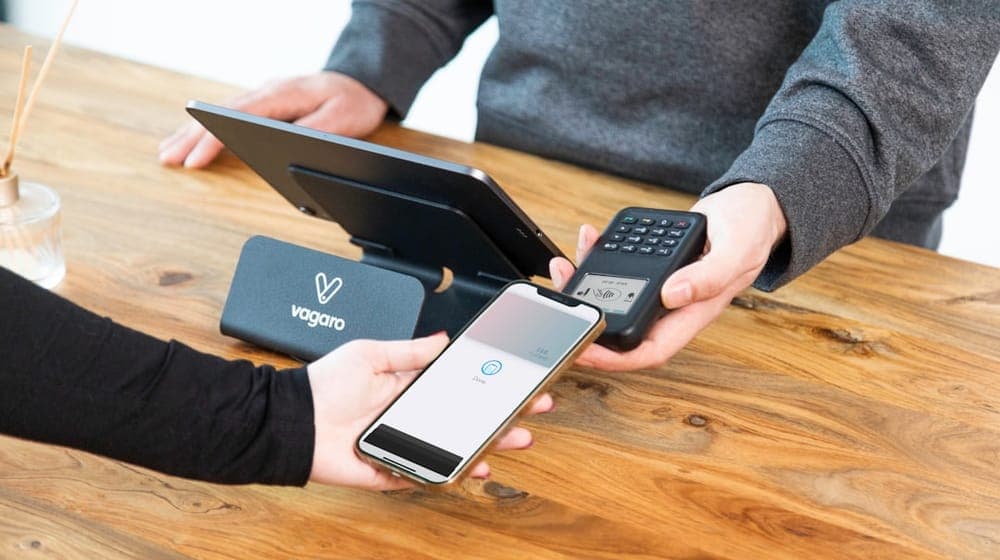
The till is the strongest position, essentially without competition: the customer is standing, waiting for the transaction to complete, and often has free hands.
The fitting room in clothing shops is an overlooked position despite its strength: a genuine wait, privacy, and idle time.
Beside products that need explaining — appliances, specific preparations, anything with specifications — with product detail as the destination.
Avoid general shelving, where customers are browsing rather than waiting and will walk past without registering it.
Height and angle: small details, large effects
The comfortable height for a tag meant to be tapped is between table level and chest height for someone standing. Above that requires raising an arm; below it requires bending. Either is friction enough to prevent use.
Angle matters too. A sticker on a horizontal surface such as a table is tapped easily; one on a vertical surface works if the height is right. A sticker on a sloped face or an underside is simply never seen.
One practical point: make sure the sticker does not get covered during normal operation — by a menu placed on top of it, a plate, or a stand. A sticker covered half the day loses half its value.
Position alone is not enough: destination must match it
A common error is placing stickers in excellent positions and pointing them all at the same page. The result is that a customer tapping the table sticker while waiting for their order is offered "book an appointment", while the one tapping at the exit on their way out gets the food menu.
Each position corresponds to a different question in the customer's mind. Someone at a table is asking "what should I order?"; someone at the till is asking "is there an offer?"; someone leaving is thinking "that was good". The right destination answers the question of that moment.
Matching position to destination is the difference between a sticker used once and forgotten and one that works daily. Helpfully, changing the destination requires no change to the sticker, so you can try different destinations for the same position until one fits.
Seasons change the best position
A shop is not static across the year, and waiting points shift as customer traffic changes.
In Ramadan, restaurant peaks move to just before Maghrib, and the longest wait becomes waiting for the call to prayer at the table — an excellent opportunity for a sticker showing the iftar menu or opening a booking page for the following day. In seasons when the till gets congested, the sticker there reaches a larger audience.
The lesson is that reviewing positions once or twice a year pays off. A sticker in the best possible place six months ago may now sit somewhere nobody stops, after a small change in furniture layout or customer flow.
Who tells the customer it is there?
A perfect position with a well-matched destination can still go unused for one reason: nobody told the customer.
A sticker is not something people look for. Customers do not inspect tables for them, and may look straight at one without realising it does anything. Which is why a staff member saying "the full menu with photos is there if you hold your phone to it" multiplies usage more than any improvement in placement.
The line printed on the sticker does the same work. "Hold your phone here" turns a silent object into a clear invitation.
The rule: position determines who can use a sticker, and wording determines who does. You need both.
Surfaces that break it
Metal is the main technical problem. A metal surface disperses the magnetic field and prevents the chip working. A metal table or till unit requires a tag specifically made for metal.
Thick glass weakens the range if the tag is on the far side.
Greasy or wet surfaces do not prevent operation but do prevent adhesion, which is a daily issue in food service.
Very rough surfaces hold poorly and the sticker lifts within days.
Wood, plastic and card are the ideal surfaces.
How many: a considered few beats many
Over-installing is a common error. A shop with a sticker on every surface loses the effect entirely, because the eye adapts to repetition and stops registering it. This is sign blindness, and it is real.
The practical starting rule: one at the payment point, one where customers wait. Those cover most of the benefit. Add more afterwards based on what the numbers show rather than on guesswork.
Knowing which position works
Here is the point that makes a genuine difference and gets overlooked: use a different link for each position.
The table stickers lead to one link, the till sticker to another, and both open the same page. Then you know precisely which position gets used and which nobody approaches.
Without that separation you get one aggregate number that leads to no decision. With it you get a map of your own premises telling you where the next sticker belongs and where spending is wasted. Reading the numbers is covered in measuring your digital card.
Test before you stick
Before peeling the backing, hold the sticker in its proposed position and sit or stand where the customer would. Ask yourself: can I see it without looking for it? Can I reach it without stretching? Do I understand what it does at a glance?
Any "no" means changing the position before sticking rather than after. Removing an applied sticker usually destroys it, and testing beforehand costs nothing.
Full installation steps are in smart stickers for shops.
With AurCard you can give each sticker its own destination and change it whenever you like, so you learn which positions in your shop are worth repeating.
Read next
The smart sticker: where to put it, and why the storefront and the till give different numbers
Three places, three different intentions in the customer’s head — and how to read each sticker’s numbers to know which deserves a second one.
Digital Coupons and Offers for Shops
A digital offer expires on its own date and can be measured, unlike a poster in the window. Here is how to build one and know whether it worked.
How Shops Collect Customer Reviews
Reviews do not arrive by themselves — they are asked for, at the right moment. Here is how to collect them without nagging and how to answer bad ones.